

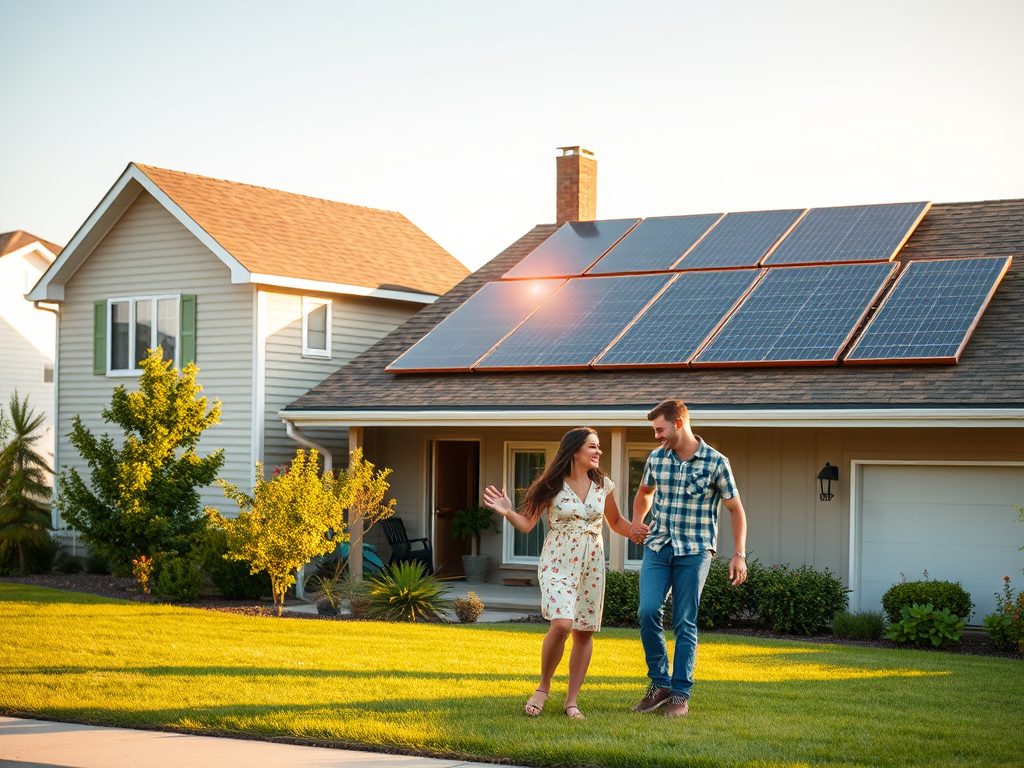
Many Kentucky homeowners assume solar isn’t an option with a low credit score. In practice, several financing paths remain open below 650 — though the terms, ownership structure, and long-term value differ significantly between them. Understanding those differences before signing anything is the most important step.
Credit Score and Your Realistic Options
| Credit Score | Financing Options Available |
|---|---|
| 700+ | Best loan rates; full range of options |
| 620–699 | Most solar loans; competitive terms |
| 580–619 | Limited loan options; higher rates |
| Below 580 | Lease and PPA most accessible; co-signer may unlock loans |
Most solar lenders set minimum thresholds around 600–650. Some accept scores as low as 580 with adjusted rates or additional requirements. Lenders who specialize in solar often weigh income stability and home equity alongside credit score — so a lower score doesn’t automatically disqualify an application.
Financing Options for Low-Credit Borrowers
1. Solar Lease — Easiest Approval Path
You pay a fixed monthly fee to use the system. The solar company owns the equipment, handles maintenance, and takes the tax credits.
| Feature | Details |
|---|---|
| Upfront Cost | $0 |
| Credit Requirement | Among the lowest |
| System Ownership | Solar company |
| Typical Term | 20–25 years |
Pros: Easiest approval; no maintenance responsibility; predictable monthly cost Cons: You don’t own the system or qualify for the federal tax credit; long-term savings are smaller than ownership; selling your home requires either buying out the lease or transferring it to the buyer, which can complicate transactions
2. Power Purchase Agreement (PPA)
Instead of a fixed lease payment, you pay per kilowatt-hour of electricity the system produces — typically at a rate below your utility’s retail rate.
| Feature | Details |
|---|---|
| Upfront Cost | $0 |
| Credit Requirement | Often flexible; some require minimal credit check |
| Payment Structure | Per kWh generated |
| System Ownership | Solar company |
Pros: Immediate reduction in electricity costs; no maintenance; no ownership risk Cons: You don’t own the system or claim tax credits; rate escalators in contracts can reduce savings over time; same home-sale complications as leases
Note: PPAs are not available in all Kentucky counties. Confirm availability with installers before pursuing this path.
3. Solar Loan — Best for Long-Term Value
You own the system, qualify for the 30% federal tax credit, and build home equity. The trade-off is a higher credit bar and, for lower scores, elevated interest rates.
| Feature | Details |
|---|---|
| Minimum Credit Score | ~580–620 depending on lender |
| Down Payment | Often optional |
| System Ownership | You |
| Loan Term | 10–25 years |
Pros: Full ownership; federal tax credit eligibility; long-term savings significantly higher than lease or PPA Cons: Higher interest rates at lower credit scores can erode savings; approval requirements vary by lender
For borrowers near the 580–620 threshold, applying with a co-signer or using a home equity loan or HELOC often unlocks better rates than unsecured solar loans.
Financing Comparison
| Type | Credit Requirement | You Own System | Tax Credit Eligible | Best For |
|---|---|---|---|---|
| Solar Lease | Low | No | No | Immediate access; credit-challenged buyers |
| PPA | Very low | No | No | Bill savings with minimal qualification |
| Solar Loan | 580+ | Yes | Yes | Maximum long-term financial return |
The ownership distinction matters more than most buyers realize. Leases and PPAs lower the barrier to entry but transfer the financial benefits — tax credits, home value increase, long-term savings — to the solar company.
Kentucky System Costs
| System Size | Average Installed Cost | After 30% Federal Tax Credit |
|---|---|---|
| 6 kW | ~$18,000 | ~$12,600 |
| 8 kW | ~$22,000 | ~$15,400 |
| 10 kW | ~$27,000 | ~$18,900 |
The federal tax credit applies only to owned systems — not leases or PPAs. If your financing path involves ownership, factor this credit into your net cost calculation. Confirm eligibility with a tax professional, as it applies in the year of installation.
Common Questions — Answered Directly
My credit score is below 600. What are my realistic options? Solar leases and PPAs are the most accessible paths. If you have a creditworthy co-signer or meaningful home equity, a loan may also be viable. Some solar lenders consider income consistency and debt-to-income ratio alongside credit score, so rejection from one lender doesn’t mean rejection from all — compare at least two or three.
Are “free solar panels” legitimate? The phrase refers to $0-down leases or PPAs, not panels you receive without ongoing cost. You’ll pay either a monthly lease fee or a per-kWh rate for the electricity generated. These products are legitimate but are sometimes marketed aggressively with language that obscures the long-term payment obligation. Read the full contract — particularly any rate escalator clauses — before signing.
Will applying for solar financing affect my credit score? Most solar loan applications trigger a hard inquiry, which typically reduces your score by a few points temporarily. Soft-pull prequalification tools, available from many lenders, let you check likely terms without affecting your score. Once a loan is active, consistent on-time payments can improve your credit over time.
Is financed solar still worth it financially? For owned systems, usually yes — though higher interest rates compress the margin. At 8–10% interest on a 25-year loan, monthly payments can approach or exceed monthly savings in the early years, with the economics improving as utility rates rise. Run a break-even calculation with your actual loan rate before committing, rather than relying on general savings estimates.
How to Improve Your Approval Odds
If your application is declined or rates are unfavorable, these steps meaningfully improve your position: paying down revolving debt (which raises your score faster than other actions), applying with a co-signer with strong credit, exploring home equity options if you have available equity, and comparing specialized solar lenders rather than general personal loan providers. Each lender uses different underwriting criteria, and a borrower rejected by one is sometimes approved by another.
Example Scenario: 8 kW System, Kentucky Homeowner
| Item | Owned (Loan) | Leased |
|---|---|---|
| Installed Cost | $22,000 | $22,000 |
| Federal Tax Credit | –$6,600 | Not applicable |
| Net Cost | ~$15,400 | N/A |
| Est. Monthly Payment | $120–$180 | $80–$120 |
| Est. Monthly Bill Savings | $80–$150 | $40–$90 |
| 25-Year Net Benefit | Higher | Lower |
The loan scenario requires stronger credit and more upfront financial engagement. The lease scenario is more accessible but delivers less financial return over the system’s life.
Discover more from Solar Spotlight
Subscribe to get the latest posts sent to your email.
