

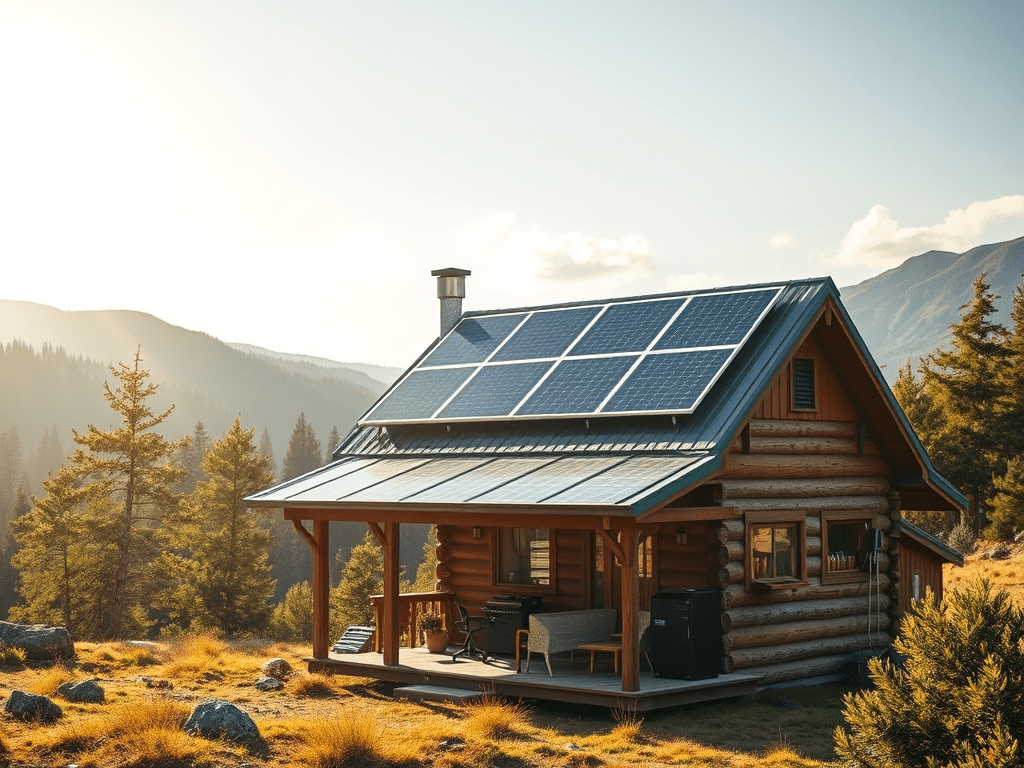
If you own a remote cabin, tiny home, or off-grid retreat, a solar kit with lithium battery storage is typically the most cost-effective way to get reliable electricity — often far cheaper than running utility lines to the property.
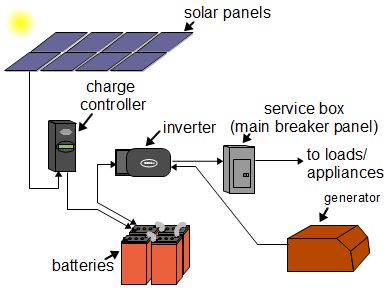
A complete kit includes solar panels, a lithium battery bank, charge controller, inverter, and mounting hardware. Most are designed for straightforward installation, though larger systems benefit from a licensed electrician for the final wiring.

Size Your System Before You Shop
The single biggest mistake cabin buyers make is choosing a kit based on marketing categories (“starter,” “whole-home”) rather than actual load calculations. A few minutes with a notepad prevents an expensive mismatch.
List every device you plan to run, its wattage, and daily hours of use. Multiply wattage by hours to get daily watt-hours, then add 20–30% for inefficiency losses. That number determines the battery capacity and panel wattage you need.
| Cabin Usage | Recommended Panel Output | Suggested Battery |
|---|---|---|
| Lights + phone charging | 300–500W | 1–2 kWh |
| Small appliances + TV | 800–1,500W | 2–4 kWh |
| Refrigerator + tools | 2,000W+ | 4–8 kWh |
| Full off-grid cabin | 3,000–5,000W | 8–15 kWh |
Battery storage matters as much as panel wattage — cabins rely entirely on what’s stored overnight and through cloudy stretches.
Why Lithium Over Lead-Acid
For cabin applications, lithium iron phosphate (LiFePO4) batteries have become the clear standard. The cost premium over lead-acid has narrowed significantly, and the practical advantages are substantial.
| Feature | Lithium (LiFePO4) | Lead-Acid |
|---|---|---|
| Lifespan | 10–15 years | 3–5 years |
| Usable capacity | 80–90% of rated capacity | ~50% of rated capacity |
| Weight | Significantly lighter | Heavy |
| Maintenance | None | Requires regular attention |
| Cold weather performance | Good | Degrades significantly below 32°F |
The cold weather point matters for seasonal cabins. Lead-acid batteries lose meaningful capacity in winter; lithium holds up considerably better, which is a practical difference in northern climates.
Top Cabin Solar Kits
1. Renogy 400W Starter Kit — Best for Weekend Cabins
Ideal for: Occasional use, lights, phone charging, small electronics
Renogy is among the most established names in off-grid solar and their starter kits are well-documented with strong community support — useful for first-time installers troubleshooting a DIY setup.
| Feature | Details |
|---|---|
| Solar Output | 400W |
| Compatible Battery | Lithium or AGM |
| Typical Load Capacity | Lights, fan, phone charging, small TV |
| Price Range | $1,200–$2,000 |
Pros: Straightforward installation; expandable; strong documentation and user community Cons: Insufficient for refrigeration or power tools without expansion
2. EcoFlow Power Kit — Best for Full-Time Off-Grid Living
Ideal for: Permanent or extended-stay cabins with modern appliance loads
EcoFlow’s modular system is purpose-built for off-grid homes. The smart inverter manages loads automatically, and the app provides real-time monitoring of production, consumption, and battery state.
| Feature | Details |
|---|---|
| Battery Capacity | 2–15 kWh (modular) |
| Inverter | Built-in, smart load management |
| Expandable | Yes |
| Price Range | $6,000–$15,000 |
Pros: Scales with changing needs; clean integration between components; strong monitoring Cons: Highest upfront cost in this category
3. Bluetti Off-Grid System — Best for Seasonal or Portable Use
Ideal for: Seasonal cabins, hunting camps, or setups that move between locations
Bluetti units are self-contained and don’t require permanent installation, making them practical for cabins that aren’t used year-round or where a fixed system isn’t worth the investment.
| Feature | Details |
|---|---|
| Battery Capacity | 2–10 kWh |
| Solar Input | Up to 2,000W |
| Portability | High — no permanent mounting required |
| Price Range | $2,000–$8,000 |
Pros: No installation required; fast solar recharge; relocatable Cons: Not suitable as the sole power source for a full-time off-grid cabin
Side-by-Side Comparison
| System | Best For | Battery Capacity | Expandable | Cost Range |
|---|---|---|---|---|
| Renogy Starter Kit | Weekend cabins | 1–2 kWh | Yes | $1,000–$2,000 |
| Bluetti System | Seasonal/portable | 2–10 kWh | Limited | $2,000–$8,000 |
| EcoFlow Power Kit | Full off-grid living | 2–15 kWh | Yes | $6,000–$15,000 |
Common Questions — Answered Directly
Can solar realistically power a cabin? Yes, if sized to actual loads. Cabins running entirely on 2–5 kW solar systems are common. The key is accurate load calculation upfront — undersized systems are the most frequent source of buyer dissatisfaction in this category.
What happens during cloudy weather? Panels still produce at reduced output — typically 10–25% of rated capacity on overcast days. Properly sized battery storage covers the gap. As a rule, size your battery bank for 2–3 days of autonomy without solar input. For cabins in consistently cloudy regions, add a small generator as backup rather than oversizing panels and batteries.
Is solar cheaper than running utility lines? Usually by a wide margin for remote properties. Utility line extension costs $10,000–$50,000+ depending on distance and terrain. A capable off-grid system costs $4,000–$15,000. For properties more than a quarter mile from the nearest connection point, solar almost always wins on cost.
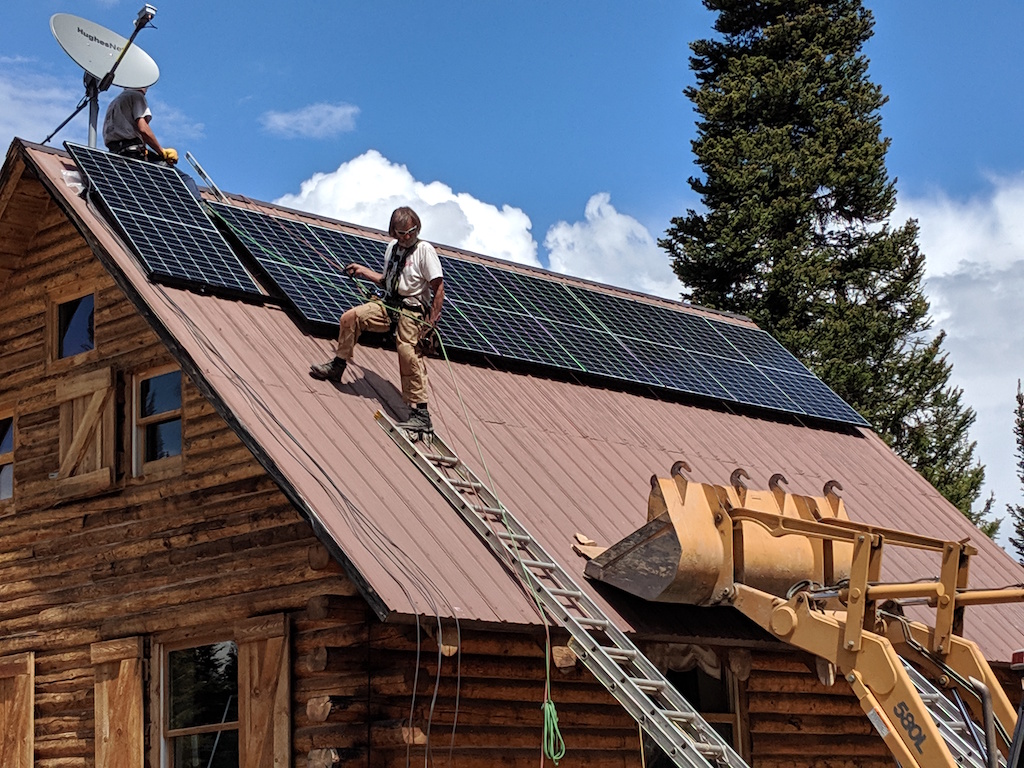
Is DIY installation realistic? For systems under 2 kW, yes — particularly with well-documented kits like Renogy. For systems above that threshold, especially those with 240V loads or battery banks exceeding 10 kWh, a licensed electrician should handle the final connections. Many jurisdictions also require permits for permanent installations regardless of size.
Example System: Typical Off-Grid Cabin
| Component | Specification |
|---|---|
| Solar panels | 1,500W |
| Lithium battery | 5 kWh |
| Inverter | 3,000W |
| Estimated total cost | $4,000–$8,000 |
| Practical coverage | Lights, refrigerator, electronics, small appliances |
This configuration handles most cabin needs through the night on a full battery charge and recovers fully on a clear day of solar production.
What to Check Before Buying
Evaluate any kit against these criteria before purchasing: total usable battery capacity (not just rated), inverter continuous wattage output, whether the charge controller is included or separate, warranty length on battery cells specifically, and whether the manufacturer provides genuine technical support for DIY installers. The last point matters more than most buyers anticipate — installation questions are common, and response quality varies significantly by brand.
Discover more from Solar Spotlight
Subscribe to get the latest posts sent to your email.
